Exactly How an Aluminum Foundry Plays a Critical Duty in Different Industries
an Aluminum foundry functions as a crucial component throughout several sectors. It gives long lasting and lightweight materials that enhance item performance. In automotive and aerospace applications, these foundries create parts that fulfill strict standards while enhancing performance. Customer electronics and building additionally gain from ingenious aluminum layouts. The effect of aluminum foundries extends past just producing. The subtleties of their duty in sustainability and recycling are worth checking out further.
The Process of Aluminum Casting
Although aluminum casting is a complicated procedure, it can be damaged down right into numerous key stages that assure the manufacturing of top quality components. At first, raw aluminum is melted in a heating system, getting to temperatures around 1,200 degrees Fahrenheit. This liquified aluminum can after that be poured right into molds designed for specific sizes and shapes.
As soon as poured, the steel is enabled to cool and strengthen, forming the wanted element. The next stage entails getting rid of the casting from the mold, followed by a complete examination to recognize any issues.
Machining procedures are utilized to achieve specific measurements and surface area coatings if necessary. Ultimately, the completed castings undergo surface area treatments for enhanced longevity and appearances. Each of these phases is vital, as they collectively assure the structural honesty and efficiency of the last aluminum products, making them appropriate for different commercial applications.
Applications in the Automotive Sector
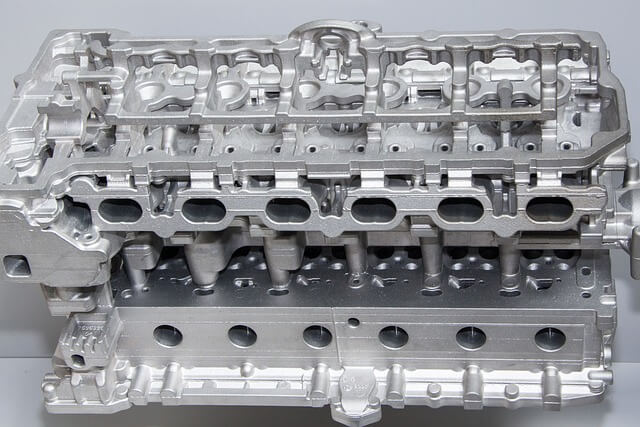
Aluminum foundries play a crucial role in the automotive market by generating lightweight components that enhance fuel performance. The material's warm resistance residential properties make it suitable for numerous engine components, making certain sturdiness under severe conditions. Furthermore, aluminum's versatility enables custom-made layout capabilities, meeting the details requirements of modern-day car production.
Light-weight Components Manufacturing
The automotive market significantly relies upon lightweight parts to enhance fuel efficiency and efficiency. Aluminum foundries play a pivotal function in this change by generating top quality aluminum components that reduce total car weight without endangering strength. These light-weight components, such as engine blocks, framework, and body panels, contribute to boosted acceleration and handling, making cars much more dexterous - aluminum foundry. In addition, making use of aluminum permits higher layout adaptability, enabling makers to produce cutting-edge forms and structures that standard materials can not attain. As car manufacturers seek to fulfill rigid exhausts guidelines and consumer demands for greener vehicles, the relevance of light-weight aluminum elements will remain to expand, strengthening the aluminum foundry's vital position in the automotive supply chain
Warm Resistance Advantages
Heat resistance is an essential variable in automotive applications, specifically for parts subjected to severe temperatures. Aluminum castings from foundries are engineered to endure high warmth, making them perfect for engine parts, transmission real estates, and exhaust components. The capacity to preserve architectural stability under thermal stress improves efficiency and durability, reducing the need for constant replacements. Additionally, aluminum's lightweight nature adds to overall lorry effectiveness, which is essential in contemporary automotive design. The foundry process enables for specific alloy structures that boost warm resistance, ensuring that components can operate effectively popular atmospheres. Because of this, aluminum spreadings not just satisfy automotive market criteria yet likewise add to boosted gas performance and minimized exhausts.
Custom Style Capabilities
While modern automotive styles demand innovation and versatility, personalized layout capabilities used by aluminum foundries play an important role in meeting these requirements. These foundries offer customized remedies, enabling producers to create components that are light-weight yet resilient. By leveraging advanced casting techniques, they can create intricate forms and frameworks that maximize car performance and gas effectiveness. Additionally, aluminum's integral properties permit enhanced rust resistance, contributing to longer-lasting automotive parts. The capacity to tailor designs also promotes quicker prototyping, allowing automotive designers to iterate and improve their ideas swiftly. This harmony in between foundries and automotive manufacturers promotes an environment of imagination and efficiency, eventually driving advancements in lorry innovation and layout.
Payments to the Aerospace Field
The aerospace sector substantially take advantage of aluminum foundries via the manufacturing of light-weight components that enhance gas performance and efficiency. Accuracy casting strategies employed in this sector warranty that components satisfy strict aerospace criteria, essential for safety and security and reliability. These contributions emphasize the crucial role aluminum foundries play in progressing aerospace innovation.
Lightweight Components Production
Aluminum foundries play an essential duty in the aerospace market by generating lightweight elements that enhance airplane effectiveness and efficiency. The use of aluminum alloys enables suppliers to minimize the total weight of aircraft without compromising architectural integrity. This reduction in weight adds to improved gas effectiveness, leading to lower operational costs and minimized discharges. In addition, light-weight components promote much better maneuverability and raised haul capacity, essential consider modern-day airplane layout. By leveraging innovative casting methods, aluminum foundries can create elaborate shapes and styles that meet the strict safety and efficiency requirements of the aerospace sector. These foundries are indispensable to the continuous developments in aerospace technology, driving technology and sustainability in air traveling.
Precision Casting Methods
Just how can precision casting strategies change the aerospace sector? These cutting-edge techniques enable the manufacturing of lightweight and elaborate elements that fulfill stringent performance needs. By using accuracy casting, suppliers accomplish a greater level of detail in component styles, permitting intricate geometries that were previously tough to make. This capacity leads to reduced product waste and improved architectural integrity, vital for aerospace applications. Precision casting strategies promote the creation of parts with premium surface area coatings, reducing the demand for comprehensive post-processing. The effectiveness gained from these techniques adds to much shorter preparations and lower manufacturing costs, ultimately improving the competition of aerospace makers. Consequently, precision casting becomes an important process in progressing aerospace technology and performance.
Aerospace Industry Standards
Criteria in the aerospace market play a considerable function in assuring safety and security, reliability, and efficiency throughout various applications. Aluminum foundries add considerably to this field by sticking to strict standards set by organizations such as the Federal Aeronautics Management (FAA) and the European Union Aeronautics Safety And Security Agency (EASA) These standards dictate material specs, testing procedures, and quality control processes that aluminum components need to meet. Conformity with these guidelines warranties that parts, such as airplane frameworks and engine components, can stand up to extreme problems and stress and anxiety. Furthermore, progressed innovations and rigorous examinations in aluminum foundries advertise the manufacturing of lightweight yet resilient materials, boosting fuel efficiency and efficiency in aerospace designs. view it Eventually, these contributions are crucial for maintaining high safety requirements in aeronautics.
Enhancing Customer Electronic Devices With Aluminum
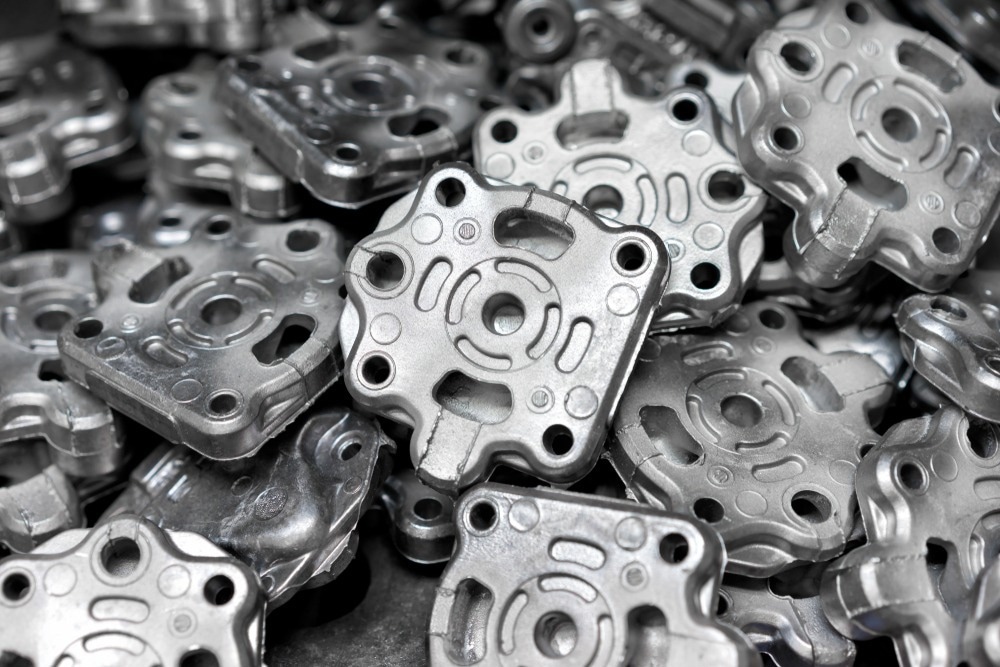
As consumer electronics continue to progress, the integration of aluminum has actually become increasingly significant due to its one-of-a-kind homes. This light-weight steel supplies superb thermal conductivity, making it suitable for warm dissipation in tools like smart devices, laptops, and pc gaming consoles. explanation In addition, aluminum's high strength-to-weight ratio allows producers to create sleeker, more mobile products without jeopardizing sturdiness.
Aluminum is also highly immune to rust, enhancing the long life of customer electronic devices in various environments. Its pliability makes it possible for detailed layouts and modifications, appealing to visual preferences while keeping capability. Additionally, the recyclable nature of aluminum straightens with the expanding demand for sustainable practices in electronics producing.
Incorporating aluminum not only improves performance yet also provides suppliers with chances for technology. As the sector pushes in the direction of advanced innovation, aluminum's duty fit the future of customer electronics continues to be crucial.
The Function of Aluminum in Building and Framework
Aluminum plays a vital role in the building and construction and infrastructure fields, thanks to its lightweight nature and remarkable toughness. This metal is often pop over to this site utilized in a variety of structural applications, including frameworks, light beams, and columns, which add to the overall security and durability of structures. Its resistance to corrosion makes aluminum a perfect selection for outdoor frameworks and settings revealed to rough weather.
Additionally, aluminum's malleability permits building developments and complex layouts, improving aesthetic appeal. The product's thermal conductivity plays a significant duty in energy-efficient building designs, assisting in temperature level law and minimizing energy usage.
Additionally, aluminum's recyclability boosts its attractiveness for modern-day building and construction jobs, as it can be recycled without shedding high quality. The versatility of aluminum makes it possible for designers and designers to develop safer, a lot more efficient, and lasting frameworks, strengthening its placement as an important element in the construction sector
Sustainability and Recycling in Aluminum Foundries
While several industries look for lasting techniques, aluminum foundries are especially remarkable for their commitment to recycling and ecological obligation. Aluminum is just one of the most recycled products globally, with foundries making use of scrap steel to produce new products. This process substantially lowers energy consumption, as recycling aluminum calls for just 5% of the power required to remove it from raw ore.
Moreover, aluminum foundries apply innovative modern technologies to minimize waste and exhausts. Closed-loop systems are commonly employed to manage water usage efficiently, while efforts to lower carbon impacts are progressively usual. The emphasis on sustainability not just fulfills regulative needs yet additionally attract ecologically aware consumers and services.

Often Asked Inquiries
What Precaution Are Executed in an Aluminum Foundry?
Precaution in a light weight aluminum foundry consist of personal protective tools, ventilation systems, regular safety training, emergency situation feedback plans, hazard communication, equipment safety and security methods, and adherence to occupational health guidelines to lessen risks and guarantee employee security.
How Does Aluminum Casting Affect Product Toughness?
Aluminum casting greatly boosts product resilience by supplying outstanding strength-to-weight proportions, corrosion resistance, and thermal conductivity. These buildings ensure that cast aluminum components endure rough environments and mechanical anxiety, ultimately extending their life-span and integrity.
What Are the Usual Flaws in Aluminum Casting?
Typical issues in aluminum casting include porosity, shrinkage, inclusions, cold shuts, and surface area blemishes. These concerns can develop from inappropriate mold and mildew design, insufficient temperature control, or contamination, possibly affecting the overall top quality and performance of the last item.
How Is Quality Control Maintained in Aluminum Foundries?
Quality control in aluminum foundries is kept via extensive inspection procedures, adherence to market criteria, utilization of innovative modern technologies, and continual training of employees to assure accuracy and decrease problems throughout the casting procedure.
What Are the Prices Related To Aluminum Casting Processes?
The expenses associated with aluminum casting procedures include basic material expenses, labor costs, equipment upkeep, power intake, and high quality control steps (Casting Foundry). These elements collectively affect the total financial investment required for effective manufacturing
Aluminum foundries play a critical function in this change by producing high-quality aluminum components that decrease overall vehicle weight without endangering toughness. Aluminum castings from foundries are crafted to stand up to high warm, making them optimal for engine parts, transmission housings, and exhaust elements. While modern-day automotive styles demand advancement and flexibility, custom design capabilities offered by aluminum foundries play an important role in fulfilling these demands. Aluminum foundries play an essential function in the aerospace field by creating light-weight parts that improve airplane effectiveness and efficiency. By leveraging innovative casting strategies, aluminum foundries can create elaborate forms and styles that meet the strict safety and security and performance criteria of the aerospace market.
Comments on “The impact of aluminum metal casting in consumer electronics and technology design”